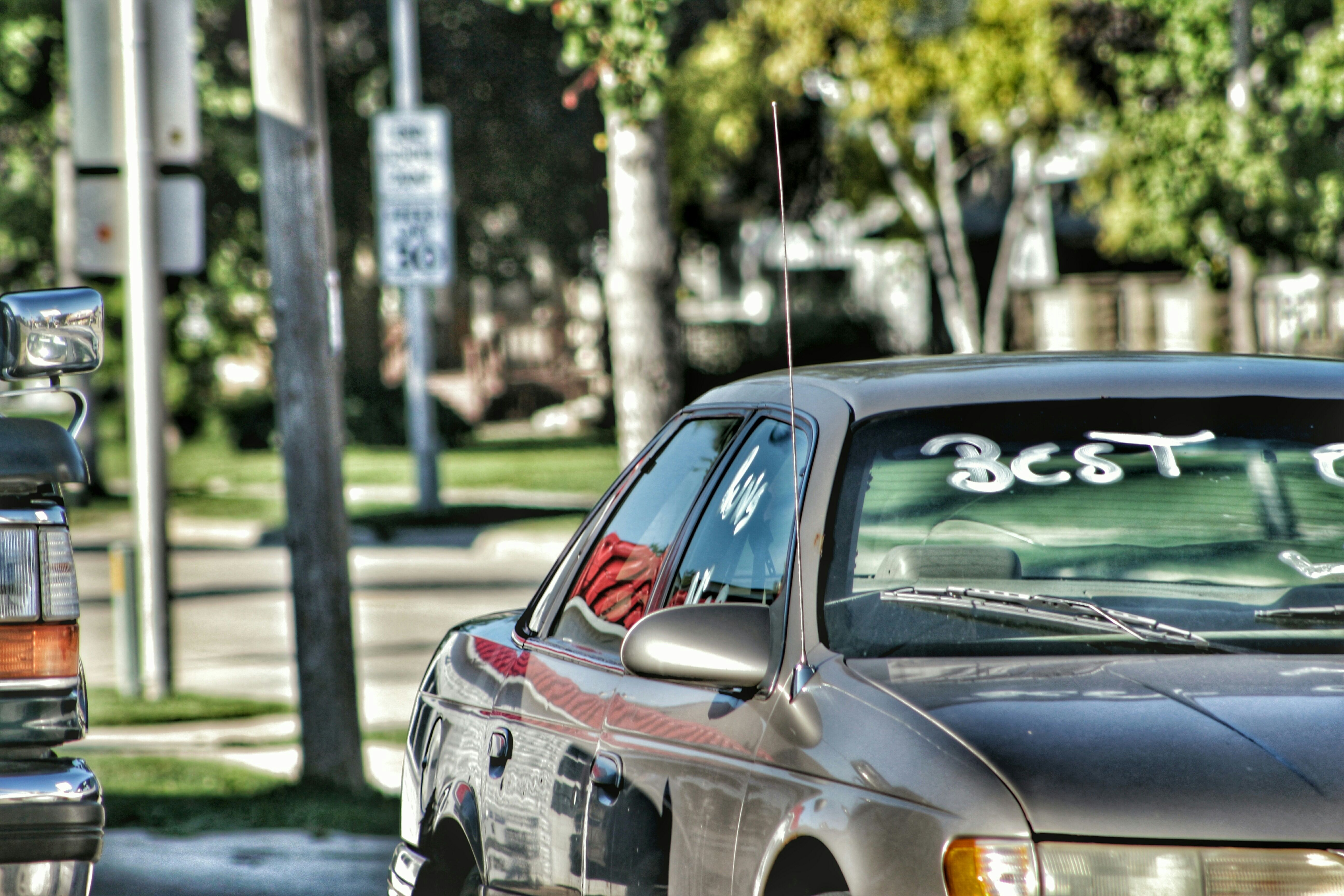
Does car insurance cover vandalism? Egg residue or damage, key scratches, graffiti, tire slashes, and broken windows may all be considered vandalism. The type of coverage in your auto insurance policy determines whether the insurance company will pay for these repairs. A full-coverage policy that includes comprehensive and collision insurance may cover vandalism. Comprehensive insurance will reimburse you for damage, such as scratches, smashes, and broken glass, that is not due to a car accident.
However, if you only have minimum coverage such as liability or personal injury protection, it's unlikely that your policy covers vandalism. In this article, we'll review the different car insurance types, the coverage that includes acts of vandalism, steps to take after your vehicle is damaged, and ways to prevent this malicious mischief.
Car Insurance Coverage Types
Most car insurance companies offer the following coverage types:
For Sale Near You
See all results for used cars for sale near 9711 aa

- Bodily injury liability: This insurance covers any injuries you may cause to other drivers. In the United States, the Insurance Information Institute (III) reports that all states typically require liability insurance if you own or drive a car.
- Property damage liability: Property damage is another insurance policy required by most states. This policy covers damages that you may cause to another person's vehicle or personal property.
- Uninsured/underinsured motorist: This insurance protects you if you're in an accident with an uninsured or underinsured driver.
- Collision: Collision insurance covers your car repairs in an accident, regardless of who's at fault.
- Comprehensive: Comprehensive insurance covers damages to your car unrelated to an accident, such as natural disasters, vandalism, or theft. With theft rates frequently fluctuating, a comprehensive policy may be important for some vehicles.
- Medical payments: Medical payments help cover your and your passengers' medical expenses from a car accident, even if you're at fault.
- Gap coverage: Gap coverage pays the difference between the amount remaining on your auto loan and the insurance payout if your vehicle is totaled in an accident.
Comprehensive car insurance is the only insurance product that covers vandalism. Comprehensive and collision insurance are typically included in a full-coverage policy, which costs more than minimum coverage.
If you have an auto loan or lease a vehicle, the lender may require that you carry a full-coverage policy that includes comprehensive and collision coverage. This helps protect their investment if your car is damaged, destroyed, or stolen.
When Does Car Insurance Cover Vandalism?
Car insurance only covers acts of vandalism when comprehensive coverage is included in your policy. However, even with a full-coverage policy, you'll still encounter deductibles and policy limits. Here are a few things to know about filing a claim for vandalism.
Exclusions and Limitations
All insurance policies have exclusions and limitations on what's covered. It's usually a good idea to review your policy in detail to understand what is and isn't included. A comprehensive auto insurance policy may exclude normal wear and tear.
Policy deductibles
Both comprehensive and collision coverage have deductibles. A deductible is the amount you pay out-of-pocket to file a claim. For example, if your policy deductible is $1,000 and your damages from vandalism are $5,000, the insurance company will pay $4,000. You can adjust your deductible, but doing so will also influence how much you pay for coverage.
A lower deductible means you pay less when you file a claim, but your premium will cost more. A higher deductible means you'll pay more when you file a claim, but your premium will cost less. Most insurers allow you to select different deductible amounts for each coverage, so you have the option of customizing your coverage to fit your individual needs.
Limits on coverage
Some insurance companies also have built-in policy limitations. It's important to understand these limitations when signing your policy. Otherwise, you may find that they don't cover the full cost of vandalism. In most cases, the insurance company will only cover up to the market value of your vehicle, regardless of the repair cost.
Personal Items Stolen or Damaged
You may find that personal belongings in your vehicle were stolen or damaged during an act of vandalism. Comprehensive insurance policies don't always cover personal items. Some may require you to purchase a separate policy.
If you don't have comprehensive coverage but know who vandalized your car, you may be able to file civil charges against them to cover your damages.
Should You File a Claim for Vandalism?
Depending on your comprehensive deductible, you may or may not want to file a claim for vandalism damage. Getting a quote for repairing your vehicle before filing a claim can help you decide if it's worth it.
For example, if the damage will cost $800 to fix and your deductible is $1000, it makes more sense to pay to fix the car directly rather than going through your auto policy. Repair costs for vandalism may vary, depending on the extent of damage, your vehicle's make and model, and the vehicle location. When determining the cost of repairs, the III encourages you to obtain multiple quotes and negotiate repairs if necessary.
Here is a list of common repairs often needed following vandalism:
- Scratches: Between $150 to $3,500 to repair.
- Dents: Between $50 to $200 to repair.
- Broken windshield: $200 to $1,000 to repair.
- New paint: At least $1,000 to complete.
If repair costs are slightly more than your deductible, paying for them out of pocket may also be worth it. This is because your insurance company will likely raise your rates after you file a claim, negating any savings you get from being reimbursed for the repairs.
You can learn more about your inclusions and exclusions for vandalism and other damages on the declarations page for your auto insurance coverage. This document is usually attached to the front of your policy and indicates the deductible amount. Contact your insurer if you cannot find a copy of your declarations page.
Will Filing a Claim for Vandalism Increase Your Premium?
Insurance companies frequently increase rates after filing a claim, whether for an accident, theft, or vandalism. Any time the insurance company has to pay for repairs or damages, you can expect at least a minimal increase in your insurance premium. How much your insurance policy increases in price depends on many factors, including your driving record, the cost of vandalism repairs, and the number of prior claims.
Steps to Take after Vandalism
If your vehicle has been vandalized, take the following steps to report it and file a claim with your insurance company.
1. Document the Damage
Document the damage to your car as soon as possible. Take photographs of your car from all angles and note your parking location and the time and date you discovered the damage. You'll need to include this information when submitting an insurance claim. Try to be as detailed as possible to ensure all damages are covered.
2. File a Police Report
Contact the local police department to file a report. An officer may come to the scene to survey the damage and create an official report. Make sure you don't skip this step as many insurance companies require you to file a police report before submitting an insurance claim for vandalism. Provide the police with your most recent contact information, so they can update you if they determine who's responsible.
3. File a Claim with Your Car Insurance Company
If you have comprehensive coverage, file a property damage claim with your insurance company. You can usually file a claim online, with the mobile app, or by phone. The system or claims adjuster will gather information about the damage and inform you what to expect. The company may even send a claims adjuster to inspect the damage themselves.
4. Choose a Repair Shop
Choose which shop you'll use to make any necessary repairs. Your insurance company may request that you use a specific shop. However, some state laws allow you to choose your own repair shop. Make sure you save all estimates and documents to assist with the insurance claim. Remove all personal property from the vehicle before leaving to ensure you have easy access to your belongings.
5. Pay Your Deductible
You'll have to pay your deductible before the insurance company covers the remaining repair costs. The amount of your deductible varies, depending on your policy, but is typically between $500 and $2,500. Your insurance company may request that you pay your deductible directly to the repair shop or reimburse them.
6. Ask about Rental Car Coverage
You may need temporary transportation depending on how long it takes to repair your car. Look into rental car coverage through your insurance company. You may be able to qualify for rental reimbursement while the damage is being repaired. Your car insurance policy may cover extra costs, such as towing, which can be helpful if your vehicle is not drivable.
7. Inspect Repairs
Closely inspect your vehicle once all repairs are complete. If the repair shop misses something and you don't notice it until much later, you may have difficulty getting it covered under the same claim. Complete a full walk-around of the vehicle before signing off on the repairs.
8. Monitor Rates
Any time you file a claim with your insurance company, monitoring your rates closely is essential. Insurance companies commonly increase rates after you file a claim. If you notice a significant rate increase, it may be time to price-shop other policies. You may qualify for cheaper insurance rates with another policy, even with a vandalism claim on your record.
How to Avoid Vandalism
Whether or not you have comprehensive insurance, damage from vandalism can be expensive. You can expect your insurance rates to increase and waiting for repairs can be inconvenient. There are a few ways that you can reduce your risk of vehicle vandalism, including:
- Be careful where you park: Leave your car in a lighted area, especially at night. Always choose a busy parking lot over a deserted one.
- Get a security system: Today's cars have modern technologies that can help prevent vandalism and theft. Exterior sensors can even alert you when someone is actively vandalizing your vehicle.
- Park your car in a garage: Keep your vehicle parked in an indoor garage whenever possible. Most public garages are well-lit and have security cameras to protect your car from vandalism.
- Remove your valuables from the car: Comprehensive coverage pays for damage to and theft of the vehicle but does not cover items stolen from the car. If you must leave something of value in the car, hide it carefully to deter theft.
- Keep your vehicle locked: Unlocked vehicles are much more likely to be vandalized. Get in the habit of always locking your car, whether at home, at a gas station, or in a store parking lot.
- Carry sufficient insurance: Adding vandalism coverage to your policy may be worth it if you drive an expensive vehicle. Double-check your car insurance policy to ensure you have sufficient coverage based on your state laws and your vehicle's estimated repair or replacement costs.
Whether you've recently been the victim of car vandalism or you're reviewing your car insurance coverages, you may wonder, "Does car insurance cover vandalism?" Whether your car insurance policy covers vandalism depends on your provider, your policy, and the details of the damages. An insurance policy that includes comprehensive coverage may cover vandalism damage up to the actual cash value of your car at the time of the incident.
Steve Glass is a retired insurance professional with over 34 years of experience in the Property & Casualty insurance industry. Over the course of his career he led teams that handled Homeowners and Commercial property and casualty claims, Auto Medical claims, Auto Bodily Injury Claims, Catastrophe claims and Insurance Subrogation recovery efforts. He also has experience as an Insurance Subrogation Arbitrator.


