When buying a car, one of the first and most important choices you'll need to make is whether to buy a new or used car. Brand-new cars are usually more expensive than used cars, but they benefit from full warranties and come with the peace of mind that no prior owners have driven the proverbial wheels off of them.
Used vehicles, on the other hand, are often less expensive than new cars. While used cars typically have some wear and tear, as well as more mileage under their treads, buying used can be a smarter financial decision for those on a budget.
➡️ Skip the lot. Let Car and Driver help you find your next car.
Shop New Cars | Shop Used Cars
If you’re deciding between a new and used car, it’s important to consider your unique needs and weigh the pros and cons of each option.
Pros of Buying a New Car
Many drivers like the idea of buying a brand-new car. Going this route often ensures you're driving something with many of the latest safety features and technologies. They are also in pristine condition inside and out. Here are some of the biggest advantages of buying a new car.
For Sale Near You
See all results for used cars for sale near 2920


New Cars Typically Have the Newest Features
Depending on the specific new or used vehicles you're considering, odds are that in most cases, the new vehicles on your short list will have the latest and most modern safety and convenience features.
You May Be Eligible for a Great Financing Offer
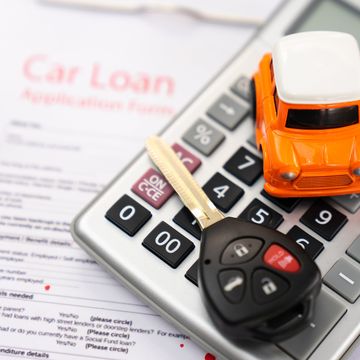
As an incentive for buying a new car, it’s common for dealerships to offer special discounts and financing deals. These may involve cash back or 0 percent financing, making the vehicle a more affordable option.
New Cars Come With a Full Warranty
Though some certified pre-owned programs' warranty coverages rival those of new cars, there's no guarantee the used car you find that meets your needs will be a CPO one, let alone a CPO one with an impressive warranty. On the other hand, all new cars come with comprehensive warranty coverage from the factory.
You Don't Have to Compromise
When you're shopping for a new car, you often have the option to choose the color, upholstery, accessories, trim level, and other features of the vehicle. You can also pick the specific options, too. Admittedly, this typically requires ordering your vehicle and waiting for it to get shipped from the plant to your dealership.
Cons of Buying a New Car
Despite all the benefits of buying a new car, there are also some downsides you should consider. Here are some disadvantages of buying a brand-new car.

New Cars Are Typically More Expensive
In general, new cars are more expensive than used cars. If you’re on a tight budget, a new car might not be in your cards. And even if you can afford a brand-new car, you’ll need to decide if a new car is worth the higher cost of entry.
Expect to Pay More in Sales Tax
Because new cars are usually higher in price than their equivalent used counterparts, they ultimately require more of your budget go toward sales tax. The only exception is if you live in a state that doesn’t have sales tax.
New Cars Often Depreciate Faster
Most new cars lose value the minute they drive off with their owner. If you plan to sell your car later on, you might not be able to sell it for enough to cover what you owe on the loan. You can avoid this with a used car because much of this initial depreciation has already occurred by the time you buy it.
Pros of Buying a Used Car
Buying a used car can be an excellent financial decision for many drivers, even if you’re looking for a luxury model. Below are some of the advantages of purchasing a used vehicle.

Used Cars Typically Cost Less Than New Cars
The biggest benefit of buying a used car is that it’s usually less expensive relative to the equivalent new car. Purchasing a used car that’s a few years old can save you thousands of dollars.
You Might Find CPO Offers
Some manufacturers give special financing or cash offers on their certified pre-owned (CPO) vehicles. Most CPO vehicles also come with a limited warranty that covers some repairs and maintenance. Check the website of the manufacturer or dealership you're considering buying from to see if there are any deals available.
Cons of Buying a Used Car
Buying a used car is not the best option for everyone. Here are some of the downsides of getting a used car.

Used Cars May Have Outdated Features
Depending on the age of the used vehicle you're considering, you may find it lacks certain safety or convenience features. Or it has these features, but not the latest and most advanced iterations of them.
You Might Have Higher Maintenance or Repair Costs
As helpful as pre-purchase inspections (PPIs) and vehicle history reports are to the used-car buying process, these things can only tell a buyer so much. Ultimately, the driving style or the unfollowed maintenance schedules of the previous owner or owners could come back to bite you with problems down the line.
The Car Buying Process Can Take Longer
It's unlikely the exact used car you want is available when you're ready to buy. Depending on what sort of compromises you're willing to make, finding an example of the vehicle you want in the right color, with the right options, and with the number of miles on the odometer that you feel comfortable with could take some time.
Even if you find this diamond in the rough, you may then find its vehicle history report is problematic, or that the PPI reveals loads of issues.
Is It Better to Get a New or Used Vehicle?
So, is it better to purchase a new or a used car? Ultimately, the decision comes down to your personal situation, priorities, and budget. Here are some things to consider as you weigh your options.
- Your budget: Cars can be very expensive, and if you’re hoping to score a great deal, you'll probably want to buy used. However, keep in mind that the true cost of car ownership is not just the car’s sticker price. It also includes things such as maintenance costs, car insurance premiums, taxes, and gas prices.
- Your vehicle needs: Think about what type of car you need for your lifestyle. Do you need a car with a certain number of seats? Do you need a truck to transport items for your job? Make a list of your most vital needs in a vehicle and use the list to decide whether a new or used car will work better for you.
- Your wants in a vehicle: Some people just want to get their dream car, no matter the cost. Or, if you’ve decided on one make and model, and you don’t want to drive something pre-owned, then a new car is going to be your best option.
- Your purchase plans: The price of the new car or used car you buy will depend on how you plan to purchase it. If you pay cash, you won't have to pay interest fees on a loan. If you're planning to finance the car, you'll have to factor interest rates into your decision.
Frequently Asked Questions
Check out these answers to some frequently asked questions about buying a new or used car.
How can you get the lowest price on a car?
Regardless of the car market, it’s always possible to find a good deal on a vehicle. Here are some suggestions for finding the lowest price.
- Look for a low interest rate.
- Find discounts and incentives.
- Make a large down payment.
- Pay for the car in cash.
- Search for new or used cars online, such as on Car and Driver's marketplace.
- If shopping used, consider buying from a private seller.
Elizabeth Rivelli is a freelance writer with more than three years of experience covering personal finance and insurance. She has extensive knowledge of various insurance lines, including car insurance and property insurance. Her byline has appeared in dozens of online finance publications, like The Balance, Investopedia, Reviews.com, Forbes, and Bankrate.